
Borrower Profile Overview
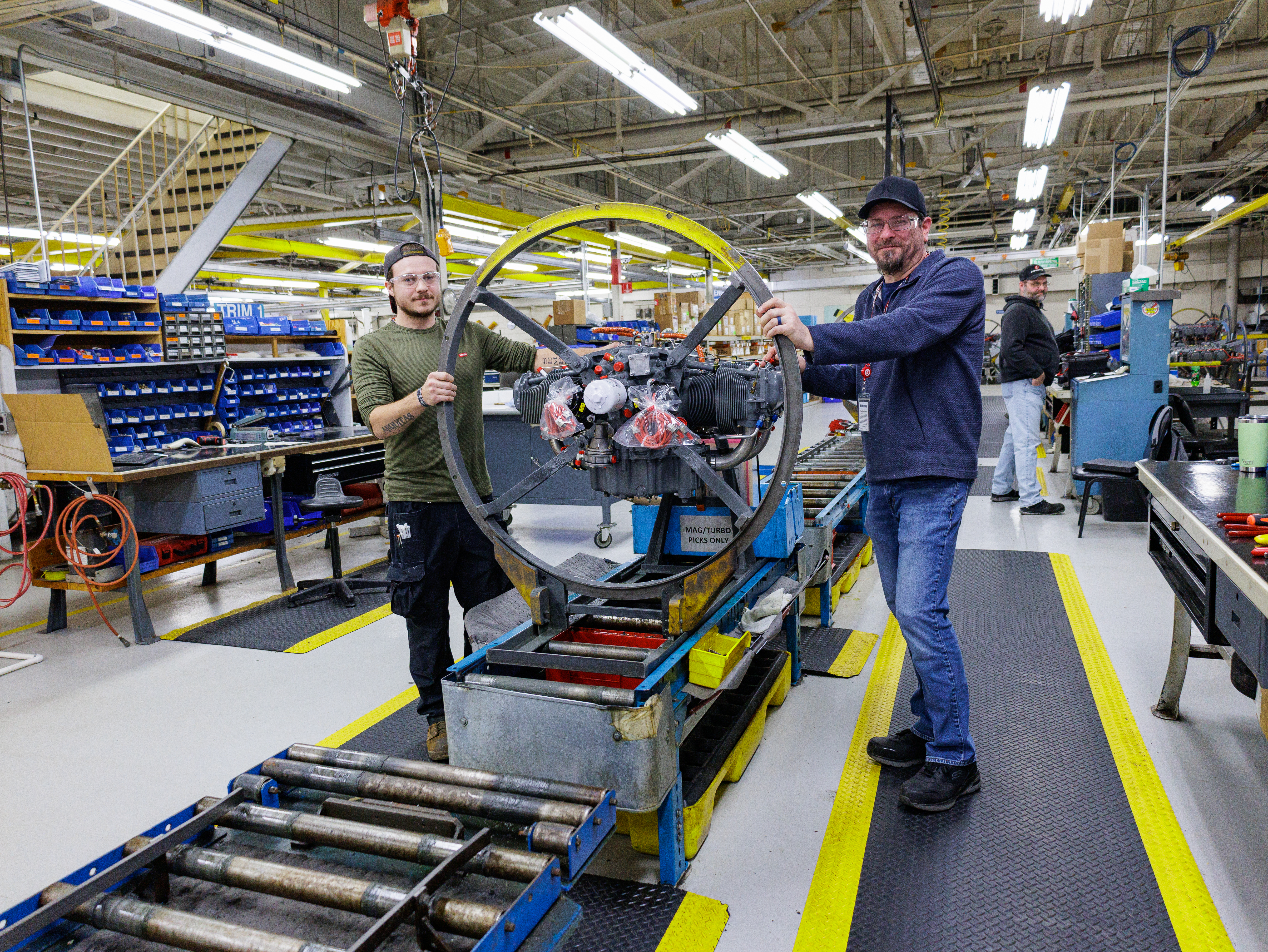
Industrial real estate in the Aspen region occupies a specific economic niche: the Roaring Fork Valley's resort economy requires logistics, storage, light manufacturing, and contractor facilities that can't exist within Aspen's constrained, tourism-oriented core. The industrial inventory concentrated in Basalt, El Jebel, Carbondale, and Glenwood Springs serves contractors building Aspen's luxury homes, distributors supplying the valley's restaurants and hotels, HVAC and mechanical contractors serving ski infrastructure, and specialty manufacturers supplying regional construction and hospitality markets.
At Hard Money Loans of Aspen, we finance industrial facility acquisitions, expansions, and renovations throughout Pitkin County and the Roaring Fork Valley — including the Garfield County industrial corridor from El Jebel through Glenwood Springs and the Eagle County I-70 industrial market. We understand that industrial properties in mountain resort markets carry different supply dynamics than urban industrial — limited flat land suitable for development, zoning restrictions on industrial uses in scenic corridors, and strong tenant demand from contractors and distributors who have no alternative to maintaining valley-area operations.
Aspen's APCHA workforce housing crisis indirectly drives industrial demand. Contractors who build and maintain Aspen's luxury residential and commercial stock need operational bases — shop space, equipment storage, fleet parking — that are accessible from the mid-valley workforce housing centers where their employees can afford to live. El Jebel and Basalt industrial properties are particularly well-positioned to serve this demand, sitting between Aspen's job concentration and the Carbondale/Glenwood Springs workforce housing corridor.
The post-2018 Lake Christine Fire environment has also created specialized demand for fire mitigation contractors, defensible-space landscapers, and Cat 1-rated roofing suppliers who need mid-valley facilities to serve the ongoing Aspen-area fire mitigation market. We recognize these niche industrial demand drivers and factor them into our underwriting of mid-valley industrial properties.
Service Applications
Industrial facility acquisition financing closes in 10 to 14 days, providing the speed that motivated sellers require in the valley's limited industrial market. Owner-occupants purchasing facilities for their own contracting or manufacturing operations benefit from owner-user loan structures that consider business operational strength alongside real estate collateral value. Investment purchasers benefit from our ability to underwrite industrial properties based on actual local market rent levels and tenant demand rather than applying national industrial benchmarks that don't reflect Roaring Fork Valley dynamics.
Warehouse and distribution facility loans serve logistics and supply chain operations that support the valley's resort economy. Food and beverage distributors, building materials suppliers, equipment rental companies, and specialty goods wholesalers need well-located warehouse space with adequate clear height, loading configuration, and highway access. We finance these properties at 65% to 70% LTV for stabilized assets with creditworthy tenants.
Flex space financing addresses the substantial market for combined office-warehouse facilities serving contractors, service businesses, and small manufacturers throughout the mid-valley corridor. Flex buildings typically combine 30% to 50% finished office space with the remainder as warehouse or shop space. These properties attract diverse tenant mixes and provide management-light investment characteristics when properly located and configured.
Contractor facility loans serve the licensed general contractors, subcontractors, and specialty trades whose operations are essential to Aspen's $500 to $1,200-per-square-foot luxury construction market. GC operations require secure equipment storage, vehicle maintenance space, material staging areas, and crew facilities. Owner-occupied contractor facilities can support higher leverage — up to 75% to 80% LTV — when the business operational strength is included in the underwriting analysis alongside real estate value.
Industrial refinancing provides existing industrial property owners with equity access for portfolio expansion, improvement funding, or debt restructuring. Industrial properties in the Basalt-to-Glenwood Springs corridor have appreciated significantly as the valley's construction and service economy has grown. We provide cash-out refinancing at 65% to 70% LTV for qualifying industrial assets.
Common Challenges
Environmental due diligence is more intensive for industrial properties than for residential or retail assets. Phase I Environmental Site Assessments are required for all industrial financings. When Phase I findings indicate recognized environmental conditions, Phase II investigation may be required before funding. We take a realistic approach to environmental risk — manageable contamination with clear remediation pathways should not prevent financing, and our environmental due diligence process distinguishes between hypothetical concern and actual material risk.
Specialized industrial property valuation requires appraisers with mountain resort market industrial experience. National industrial cap rate benchmarks don't apply in the Roaring Fork Valley — the limited supply of industrial-zoned land and the persistent demand from valley contractors and distributors produces industrial values that exceed what cap rate analysis against national comps would produce. We work with regional industrial appraisers who understand Aspen-area market dynamics.
Zoning and land use restrictions are significant constraints on industrial development in the Roaring Fork Valley. Industrial uses require specific zoning designations that are scarce in Pitkin County and carefully managed in Garfield County's scenic corridors. Existing industrial properties in appropriately zoned locations carry supply scarcity premiums. Redevelopment of underutilized industrial sites requires rezoning that can be uncertain and time-consuming.
Our Approach
We underwrite industrial loans at Hard Money Loans of Aspen based on the specific operational and real estate characteristics of each property. Technical property assessment — clear height, column spacing, loading configuration, power supply, floor load capacity — is part of our underwriting process, not an afterthought. We work with industrial-experienced appraisers and understand the difference between functional obsolescence that genuinely impairs value and physical characteristics that appear non-standard but meet the actual needs of valley industrial tenants.
Local Market Context
Industrial properties in the Aspen region concentrate in the mid-valley corridor where zoning permits industrial use and flat terrain accommodates development. El Jebel and Willits in the Highway 82 corridor offer proximity to both Aspen's job market and Basalt's growing commercial center. Carbondale industrial properties serve the mid-valley workforce and distribution needs. Glenwood Springs provides larger industrial facilities with I-70 access for regional distribution operations. Each submarket offers distinct tenant profiles and investment characteristics, all sharing the common thread of sustained demand from the contractors, distributors, and service providers who keep Aspen's resort economy running.
Related Services
- Commercial Hard Money Loans
- Warehouse Financing
- Owner-Occupied Commercial Loans
- Commercial Bridge Loans
- Industrial Property Loans
- Flex Space Financing
Frequently Asked Questions
What types of industrial properties does Hard Money Loans of Aspen finance?
We finance warehouse and distribution centers, flex office-warehouse buildings, contractor facilities, light manufacturing plants, cold storage properties, and specialized industrial facilities throughout the Roaring Fork Valley and adjacent I-70 corridor. We accommodate both owner-occupied facilities where the borrower operates their business and investment properties leased to third-party tenants. Loan structures are tailored to the specific use, lease profile, and collateral characteristics of each industrial property.
Do you require Phase II environmental studies for all industrial properties?
Phase I Environmental Site Assessments are required for all industrial property financings. Phase II studies are required when Phase I reports identify recognized environmental conditions that warrant further investigation. We take a realistic approach to Phase II findings — manageable contamination with clear regulatory closure pathways and defined remediation costs should not prevent financing. We work with qualified environmental consultants who can distinguish between theoretical concern and actual material risk, and we structure loans with environmental escrow holdbacks when phased remediation is appropriate.
Do you finance owner-occupied industrial properties for Aspen-area contractors?
Yes. Owner-occupied industrial facilities for licensed contractors, subcontractors, and service businesses are a significant segment of our industrial lending portfolio. For owner-occupants, we consider business operational strength alongside real estate collateral value, which can support higher leverage — up to 75% to 80% LTV — than investment industrial properties. We evaluate the contractor's licensing, project history, business financials, and operational integration with the facility when underwriting owner-occupied industrial loans.
How do you determine LTV for industrial properties in the Roaring Fork Valley?
We lend up to 65% to 70% LTV for investment industrial properties with stable tenancy and 75% to 80% LTV for owner-occupied facilities. Loan amounts are based on appraised value from regional industrial appraisers with Roaring Fork Valley market experience — not national industrial benchmarks that undervalue the supply-scarcity premiums of valley industrial properties. Properties with vacant or below-market tenancy receive conservative valuations reflecting the time and cost required to stabilize.
What are typical loan terms for industrial financing with Hard Money Loans of Aspen?
Industrial loans typically run 12 to 36 months with interest-only payments. Loan amounts range from $300,000 for smaller flex properties to $5 million for larger warehouse or contractor facility acquisitions. Interest rates range from 10% to 13% depending on property type, leverage, tenant quality, and loan term. Origination points run 2 to 3 points. We charge no prepayment penalty, enabling borrowers to refinance into longer-term commercial financing as properties stabilize.