
Loan Features & Benefits
- ✓ Fast underwriting and decisioning for active deal timelines.
- ✓ Flexible terms for bridge, renovation, and refinance exits.
- ✓ Asset-focused review instead of rigid bank-style constraints.
Strategic Applications
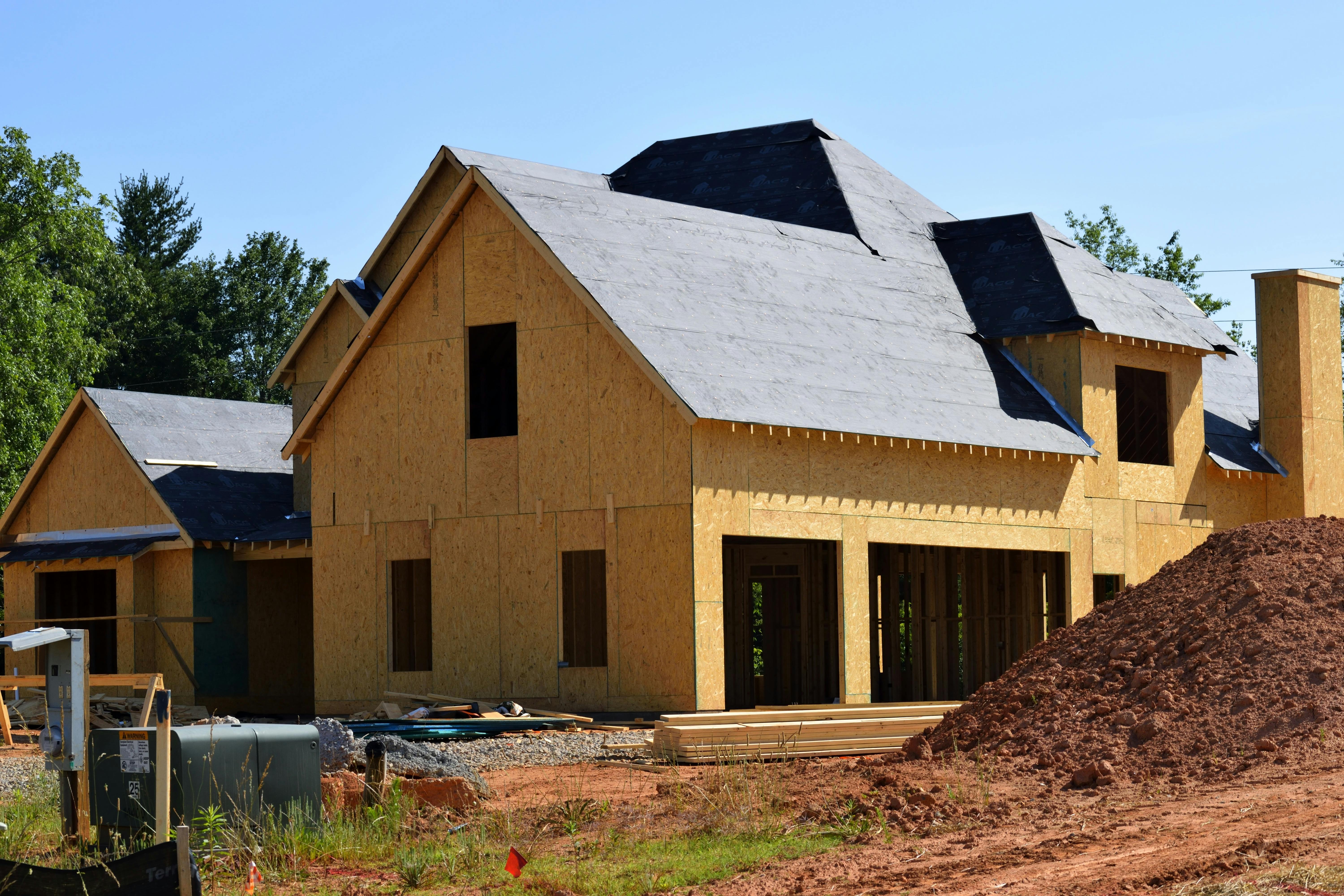
Custom home construction for owner-occupants represents the largest single category of construction lending in Aspen's high-end market. Affluent buyers who have acquired a Red Mountain, McLain Flats, or Old Snowmass parcel and want to build their vision — not someone else's spec home — need financing that accommodates 24 to 36 month timelines, evolving design decisions, and the inevitable scope changes that accompany luxury custom construction. Our custom home construction-to-permanent loans are structured with flexible draw schedules, scope change provisions, and adequate contingency reserves (typically 15% to 20% of hard costs) to absorb the unexpected conditions that Aspen's mountain building environment regularly produces.
Speculative home construction for the luxury market — properties built for sale rather than owner-occupancy — is a significant component of Aspen's new construction pipeline. Experienced spec builders who understand the Red Mountain, West End, and Aspen Highlands buyer profile can execute projects that generate $2 million to $5 million in development profit. We finance spec construction with loan structures that include interest reserves through the construction period and extended marketing periods for luxury properties, which may take 6 to 12 months to find their buyer after completion.
Multi-unit residential development — duplexes, townhome communities, and boutique condominium projects — serves Aspen's housing demand across multiple market segments. Luxury townhome projects in Snowmass Village or Five Trees appeal to buyers seeking low-maintenance mountain living with ski infrastructure access. Workforce-oriented duplex development in Basalt or Carbondale addresses the APCHA mitigation that accompanies larger market-rate projects. We structure multi-unit construction-to-permanent loans with unit release provisions that allow individual sales as construction completes.
Commercial construction projects — boutique hotel renovations, retail build-outs, mixed-use development in Basalt's Willits corridor — require construction financing adapted to commercial project timelines, tenant improvement requirements, and lease-up periods before permanent financing conversion. Our commercial construction-to-permanent loans include lease-up interest reserves and convert to permanent financing based on stabilized occupancy rather than requiring immediate debt service coverage at opening.
Major structural renovations that functionally constitute new construction — gut renovations of historic structures, additions that double the square footage of existing homes, comprehensive seismic and structural upgrades — qualify for construction-to-permanent treatment when the scope is comparable to ground-up building. We treat these projects with the same rigor as new construction, including comprehensive budget review, licensed GC requirements, and milestone-based draws.
Common Challenges
The 4-month Aspen construction season is the defining constraint of all building in the Roaring Fork Valley. Outdoor foundation work, concrete placement, masonry, and site grading are effectively impossible from mid-October through mid-May due to frozen ground and alpine weather conditions. A project that breaks ground in June has roughly 5 months of outdoor construction before the first winter. A typical Aspen custom home requires 18 to 24 months of active construction — meaning two to three construction seasons, with interior work proceeding through winters when outdoor work stops. Our construction loan terms and interest reserves are built around this reality.
Contractor availability is the second major constraint. Aspen's top general contractors maintain 12-to-24-month backlogs. Securing a qualified GC means making commitments — retainer payments, design development engagement, preliminary budgeting — well before financing is closed. We require borrowers to have executed GC contracts or letters of intent before we fund construction loans. Investors who close construction financing expecting to find a contractor afterward face months of delay and cost escalation from less experienced builders willing to take an unscheduled project.
APCHA workforce housing crisis affects contractor access at every level. Subcontractors and tradespeople in Aspen face housing costs that consume 40% to 60% of their take-home pay. The shortage of APCHA-qualified housing for construction workers creates genuine labor supply constraints. We factor labor availability risk into project timelines and recommend that borrowers discuss this issue directly with their GC during budgeting.
Pitkin County building department capacity is limited. Permit reviews for complex custom homes can take 6 to 12 weeks, and field inspections must be scheduled in advance with limited inspector availability. Projects that schedule concrete pours or framing milestone completions on tight timelines may find inspection slots unavailable, creating hold periods. Our construction draw schedules are designed to accommodate these inspection delays without putting borrowers in default.
Post-Lake Christine Fire building requirements have meaningfully increased construction costs for properties in wildfire-interface zones. Cat 1-fire-rated roofing, ember-resistant vents, non-combustible exterior materials, and defensible-space grading now carry real budget line items. We require wildfire mitigation compliance documentation and verify that construction budgets include these costs before funding.
Our Lending Approach
At Hard Money Loans of Aspen, we begin every construction-to-permanent engagement with a thorough review of project documentation: architectural and structural drawings, civil engineering plans, permits or permit applications, builder contracts, and comprehensive construction budgets. We require detailed line-item budgets with labor and material components separated, contingency reserves of 15% to 20%, and clear identification of APCHA mitigation costs, permit fees, and wildfire mitigation requirements as budget line items — not contingency items.
Our draw administration is calibrated to Aspen's construction environment. We process draw requests within 48 hours and conduct site inspections within 72 hours. We work with construction inspectors who understand high-end mountain construction, not just standard residential frame-and-drywall sequencing. Draws are released immediately upon inspection approval, keeping contractors funded and maintaining the project momentum that is critical when construction seasons are compressed.
The permanent conversion feature of our loans is documented at origination. Borrowers know exactly what their long-term financing looks like before construction begins. Conversion occurs automatically upon certificate of occupancy issuance and confirmation that construction substantially conforms to approved plans. There is no separate application, no additional appraisal, and no additional closing costs at conversion.
We maintain professional relationships with Aspen's leading custom home architects, luxury GCs, Pitkin County building officials, and local real estate counsel. While borrowers choose their own teams, our network enables introductions to proven professionals who have successfully executed comparable projects in this demanding environment.
Aspen Market Context
Construction in Aspen and Pitkin County operates within one of the most demanding regulatory environments for building in America. The community's Aspen Area Community Plan, ACES design standards, Pitkin County architectural review, APCHA affordable housing mitigation system, and post-Lake Christine wildfire mitigation requirements collectively create a building process that is slower, more expensive, and more complex than virtually any comparable luxury market. Developers who succeed in this environment — who emerge from the entitlement and construction process with a completed luxury Red Mountain estate, a Four-Mountain Snowmass Village townhome community, or a Basalt mixed-use development — have created assets in a supply-constrained market that rewards quality construction with durable long-term values.
Frequently Asked Questions
How does a construction-to-permanent loan work at Hard Money Loans of Aspen?
A single loan application and single closing fund the entire project from groundbreaking through permanent financing. During construction, you make interest-only payments on disbursed draw amounts. Upon certificate of occupancy, the loan automatically converts to permanent financing with the rate and terms established at origination. You don't apply for a separate permanent loan, don't pay separate closing costs, and don't carry rate risk during construction. One loan, one close, guaranteed permanent terms.
How do you handle the 4-month Aspen construction season in loan terms?
We structure construction loan terms and interest reserves around Aspen's actual build season. An 18-month loan term doesn't mean 18 months of active construction — it means two construction seasons with a winter interior-work period in between. We build interest reserves for the full term including winter carry periods, and we offer documented extension options tied to weather documentation and permit delays rather than treating seasonal construction realities as borrower defaults.
Do you require APCHA mitigation to be funded at closing?
APCHA cash-in-lieu mitigation payments are typically due at building permit issuance, before construction begins. We include APCHA mitigation as a funded line item in our construction loan budget. For projects that satisfy mitigation through deed-restricted unit construction, we budget those costs as project hard costs within the construction draw structure. We do not allow borrowers to treat APCHA mitigation as an undefined contingency — it needs a real number in the project budget.
What wildfire construction requirements apply to Aspen-area new construction?
Post-Lake Christine Fire (2018), properties in wildfire-interface zones must meet Cat 1-fire-rated roofing, ember-resistant vent requirements, and non-combustible or fire-resistant exterior material standards per Pitkin County's updated building code. Defensible-space grading and vegetation management around the structure are required. We verify that construction budgets include these costs as line items and require evidence of wildfire insurance commitment before funding groundbreaking draws.
Can a construction-to-permanent loan be used for a spec home in Aspen?
Yes. Spec construction — building a luxury home for sale to an unidentified buyer — qualifies for construction-to-permanent financing, structured with extended interest reserves through the construction period and a post-completion marketing phase. For Red Mountain or West End spec homes priced above $10 million, we include 6 to 12 months of post-completion interest reserves to accommodate the marketing timeline for ultra-luxury property sales. We evaluate spec loan applications based on the developer's track record in the Aspen luxury market and the quality of the proposed design and specification.